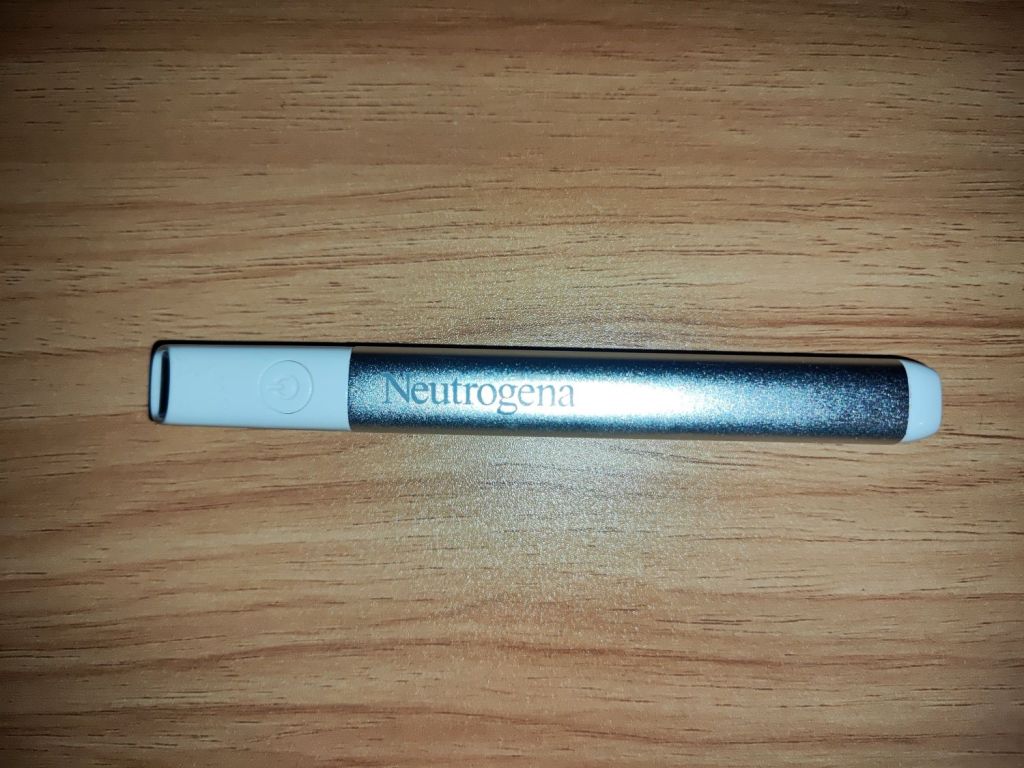
Today I thought about doing something a little different because I don’t want my blog to be just all about product reviews so let’s talk about something that is a bit a new topic to me, even if I had the little gadget you see above for quite some time. This is a light therapy pen and let me tell you why I think it’s important to talk about it.
Red light therapy (RLT), also known as low-level light therapy (LLLT) or photobiomodulation, involves exposing the skin to specific wavelengths of red and near-infrared light (usually 630–850 nanometers).
These wavelengths penetrate the skin’s surface and are absorbed by the mitochondria, the energy-producing parts of your cells. The idea is that this light energy can “recharge” cells, improving their function and promoting healing, collagen production, and circulation.
You can find RLT in:
- At-home LED masks and handheld devices
- In-clinic panels or beds used by dermatologists or wellness spas
- Combination devices that mix red, infrared, and sometimes blue light
The hype around RLT is fueled by three major things:
- Visible results (with minimal effort)
Many users report firmer skin, fewer fine lines, and better texture after a few weeks of consistent use without pain, downtime, or invasive treatments. - At-home accessibility
High-tech beauty gadgets (once clinic-only) are now small, stylish, and smartphone-controlled. Devices from top skin care brands made LED therapy part of daily routines. - Crossover appeal: beauty meets wellness
RLT isn’t just for aesthetics — athletes use it for muscle recovery and inflammation, while wellness influencers promote it for mood and energy.
What Does the Science Say?
Here’s what peer-reviewed studies and dermatology reviews tell us:
Supported benefits
- Collagen production & anti-aging
- RLT stimulates fibroblasts, the cells that make collagen and elastin.
- A 2014 Photomedicine and Laser Surgery study found significant improvement in skin complexion and collagen density after 12 weeks of treatment.
- Wound healing & inflammation reduction
- Multiple studies show RLT accelerates healing of cuts, scars, and burns by enhancing tissue repair and circulation.
- Improved skin texture & skin tone
- Research indicates better overall skin smoothness and elasticity after consistent use.
- Pain & muscle recovery
- The Journal of Athletic Training and Lasers in Surgery and Medicine have both published positive results for reducing post-exercise soreness and inflammation.
Where evidence is still limited
- Claims about boosting hair growth, fat loss, or overall “anti-aging” longevity are not yet strongly proven.
- Results depend heavily on wavelength, device power, and consistency, as not all at-home devices reach clinical power levels.
- More large-scale, long-term studies are needed for definitive conclusions.
How to Use It Safely
If you want to try RLT at home:
- Start small: 3–5 sessions per week, 10–20 minutes each.
- Distance matters: Keep the light 10–30 cm from your skin.
- Avoid overuse: More isn’t better; excess exposure can cause mild irritation or headaches.
- Protect your eyes: Always use eye shields or keep eyes closed.
- Consistency over intensity: Benefits come from cumulative use over weeks.
Should You Try It?
If your goals are anti-aging, barrier repair, or overall glow, red light therapy can be a great supporting treatment, but not a miracle cure. Think of it as a collagen-boosting vitamin for your skin, not a facelift replacement.
It works best alongside:
- A solid skincare routine (cleanser + moisturizer + SPF)
- Gentle actives (like peptides or niacinamide)
- Hydration and sleep (the real unsung beauty heroes)
Red light therapy (RLT) is having a major beauty moment, but if you’re layering it with serums, acids, or retinol, the order and timing really matter. Done right, you can supercharge your results. Done wrong, you might cancel out the effects or irritate your skin.
RLT works by stimulating cells from within, not by pushing ingredients into the skin. That means it pairs best with products that:
- Strengthen your skin barrier
- Hydrate and protect
- Support collagen and repair processes
However, applying harsh or photosensitive actives before light exposure can cause irritation, dryness, or inflammation, thus defeating the therapy’s soothing benefits.
So: gentle before, actives after (or later in the day) is a good rule of thumb.
Hyaluronic acid can be used before or after as it keeps the skin hydrated, helping light penetrate evenly and reducing dryness.
Niacinamide is best used after, because it boosts barrier strength and works synergistically with RTL to calm redness and even skin tone.
Peptides are also used after because they support collagen synthesis, making them perfect post-RTL companions.
Ceramides are also best used after, because they lock in moisture and reinforce your skin’s natural barrier.
Aloe vera or panthenol can be used before or after because they are soothing and anti-inflammatory ingredients that amplify RTL’s calming effects.
A thin, hydrating serum layer before your session helps light distribute more evenly across the skin’s surface.
Ingredients to avoid right before red light therapy
Some active ingredients can make skin more light-sensitive or increase irritation risk. Use these at night or on alternate days, not immediately before RLT:
Retinol or retinoids increase photosensitivity and can cause redness when combined with heat or light.
AHAs (glycolic or lactic acids) exfoliate and thin the outer layer, making skin more reactive.
BHAs (salicylic acid) are drying and irritating when used right before light exposure.
Vitamin C is a powerful antioxidant, but unstable under light; better applied after or in the morning without RLT.
Benzoyl Peroxide can oxidize or irritate under LED light exposure.
Dermatologists note that hydration and barrier support enhance RLT’s benefits because water content in skin cells improves light absorption and reduces post-treatment dryness.
Meanwhile, actives like retinol and acids should be spaced at least 6–8 hours apart to prevent overstimulation.
Pro Tips for Maximum Results
- Clean, dry skin first: Always cleanse before using your device, as makeup or SPF can block light.
- Use consistently: 3–5 times per week for visible improvements in 6–8 weeks.
- Be patient: RLT works cumulatively. You won’t see instant results, but they last longer.
- Moisturize afterward: This seals hydration and supports barrier recovery.
- Store your device safely: Keep LEDs clean (wipe gently with alcohol) for even light distribution.
Red light therapy is one of the few beauty tech trends that’s backed by real science, but pairing it with the right skincare makes all the difference.
Think of it as a boost for your barrier and collagen network, not a substitute for good skincare habits. Keep it gentle, stay consistent, and your glow will speak for itself.
Red light + blue light therapy: why mixing them can be more effective

An now we’re finally coming to this little device. This is a light therapy pen that I have from Neutrogena and I bought it a while back, so I don’t even know if they make it anymore, but I’m sure other similar pens are available on the market. This one combines red light and blue light and it was marketed as an acne spot treatment.
Combining red and blue light isn’t just a gimmick, it’s a strategic way to treat both acne and skin aging at once.
Each wavelength targets different layers and functions of the skin, so when used together, they can deliver complementary benefits.
Blue light (around 405–470 nm) targets the surface layer of the skin, specifically, the bacteria that cause acne.
Proven effects:
- Kills acne-causing bacteria (Cutibacterium acnes)
Blue light triggers a photochemical reaction that destroys bacterial cell membranes without damaging surrounding skin. - Reduces oil production
Helps regulate sebaceous gland activity. - Soothes inflammation
Can calm redness in mild to moderate acne.
Several dermatology studies (including those published in The Journal of Clinical and Aesthetic Dermatology, 2020) found that blue light therapy reduced active acne lesions significantly after 4–8 weeks of consistent use.
Red light (630–660 nm) penetrates deeper into the dermis, where it stimulates:
- Collagen and elastin production
- Wound and scar healing
- Circulation and anti-inflammatory activity
So while blue light handles acne-causing bacteria and surface inflammation, red light repairs and rejuvenates the skin underneath.
When used in combination, red and blue light can:
- Target acne and post-acne scarring simultaneously
→ Blue kills bacteria, red reduces inflammation and promotes healing. - Prevent new breakouts while improving texture
→ Red light helps strengthen the skin barrier, making skin more resilient. - Reduce redness and swelling
→ Red light counters the potential dryness or irritation from blue light. - Support overall skin balance
→ Great for combination skin types prone to both oiliness and sensitivity.
I have used this device but not consistently as I should have, just because I’m lazy as f…, but I did notice that it does work well to treat acne scars and to reduce inflammation so it works great as an acne spot treatment. However, the results would probably be better if I would use it constantly or if I had a mask which is easier to use and it doesn’t take so much time. The pen is used for 2 minutes on each spot so it takes some time if you have more to treat.
All in all, I think light therapy is not just a gimmick and I would definitely invest into a device that mixes both red and blue light and that can provide great benefits for the skin.
 Beauty with Oana